Email Approval Problems: Why 52% of Companies Miss Deadlines
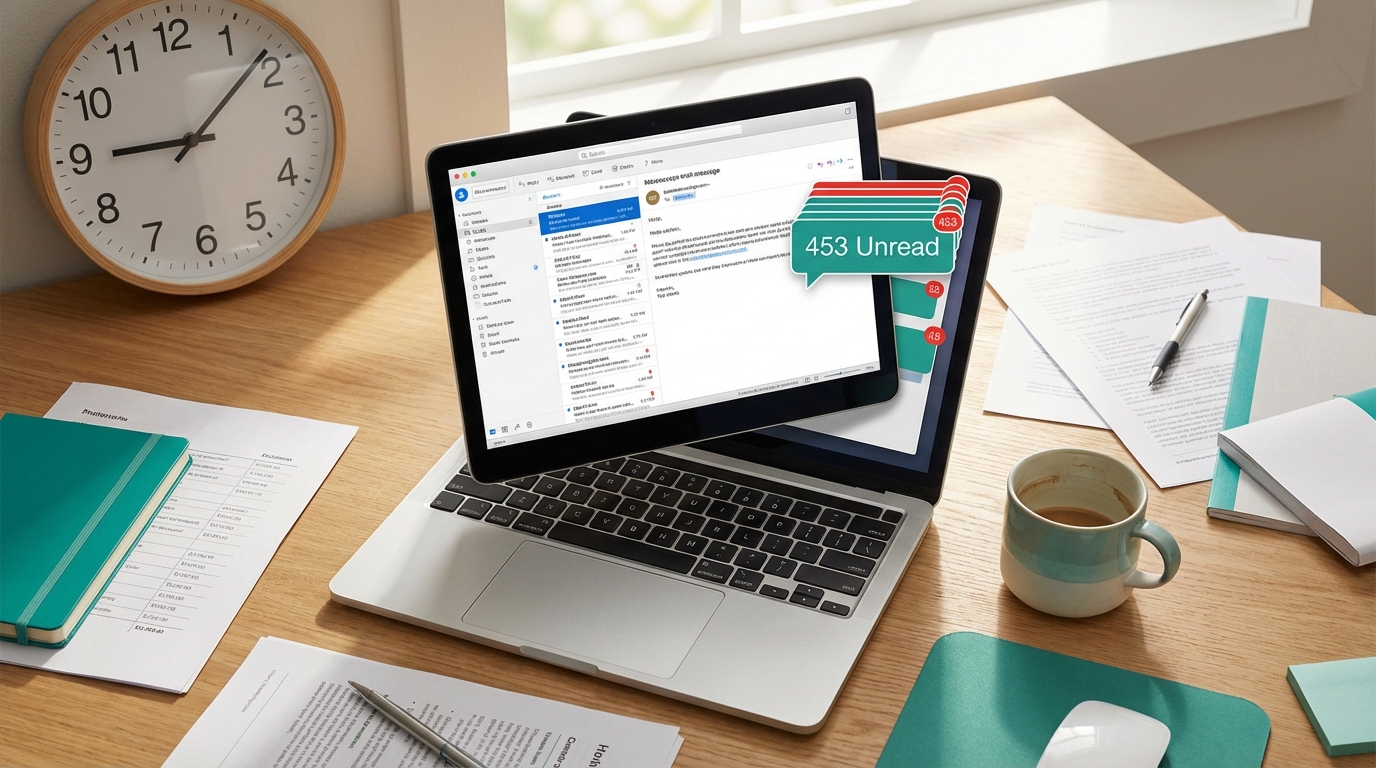
Your inbox wasn't designed to handle approvals. Every day, teams across the country watch critical requests get buried under newsletters, meeting invites, and reply-all chains. That creative brief that needed sign-off yesterday? It's sitting somewhere between a vendor quote and a calendar reminder, waiting to be discovered too late.
The numbers tell a frustrating story. Research shows that 52% of companies regularly miss deadlines because of approval delays, collaboration bottlenecks, and what researchers diplomatically call "general chaos" in content workflows. If you've ever watched a project stall because someone didn't see an approval request until it was too late, you're not alone—you're in the majority.
The Hidden Costs Nobody Talks About
When approvals live in email, every request triggers a cascade of invisible costs. There's the time spent writing the initial request, the follow-up when you don't hear back, the second follow-up, and eventually the awkward Slack message asking if they saw your email. Multiply this by every approval your team processes, and the numbers get uncomfortable quickly.
Industry benchmarks reveal that processing a single purchase order manually costs between $50 and $150, with the median hovering around $100. But that's just direct processing costs. Factor in the follow-up time, the delayed decisions, and the occasional approval that falls through the cracks entirely, and businesses processing thousands of requests annually could be losing upwards of £36,000 in wasted time and missed opportunities.
Why Email Approvals Fail at Scale
Email works brilliantly for many things—but managing approvals isn't one of them. Here's where the breakdown happens:
No clear status visibility. When someone asks "what happened to that approval request?" the only way to find out is to dig through threads. There's no dashboard, no status indicator, no way to see at a glance what's pending, approved, or stuck. You're essentially running your approval workflow blind.
Approvers get overwhelmed. The average office worker receives over 120 emails daily, according to Forbes research on email fatigue. Your approval request is competing with everything else in their inbox, and it often loses. Not because the approver doesn't care, but because they literally can't see it in the noise.
Threads fragment and confuse. Someone replies to the wrong message. Another person gets added mid-conversation without context. The final approval gets buried in a thread that started with a completely different subject line. You've probably experienced all of these in the last month alone.
The Audit Trail Problem
Here's a scenario that keeps operations managers up at night: an auditor asks "who approved this expense?" and the only documentation is a forwarded email chain with incomplete headers. When approvals happen over email, you're building your compliance foundation on sand.
Proper audit trails require timestamps, clear approval records, and the ability to prove who authorized what and when. Email can technically provide some of this, but reconstructing it after the fact is a nightmare—and proving the chain wasn't altered is nearly impossible. For teams that need to demonstrate compliance, implementing multi-step approval workflows with built-in tracking becomes essential rather than optional.
Real Impact: What Deadline Misses Actually Cost
When that approval comes through three days late, the ripple effects extend far beyond the immediate project. Client relationships strain when deliverables slip. Team members scramble to compress timelines that were already tight. And sometimes, the opportunity disappears entirely—a vendor discount expires, a campaign window closes, or a competitor moves first.
For agencies and professional services firms, missed deadlines directly translate to damaged reputation and lost future business. Your clients don't care that the approval got lost in someone's inbox—they care that you didn't deliver on time. The internal explanation never becomes the external reality.
Breaking the Cycle: What Actually Works
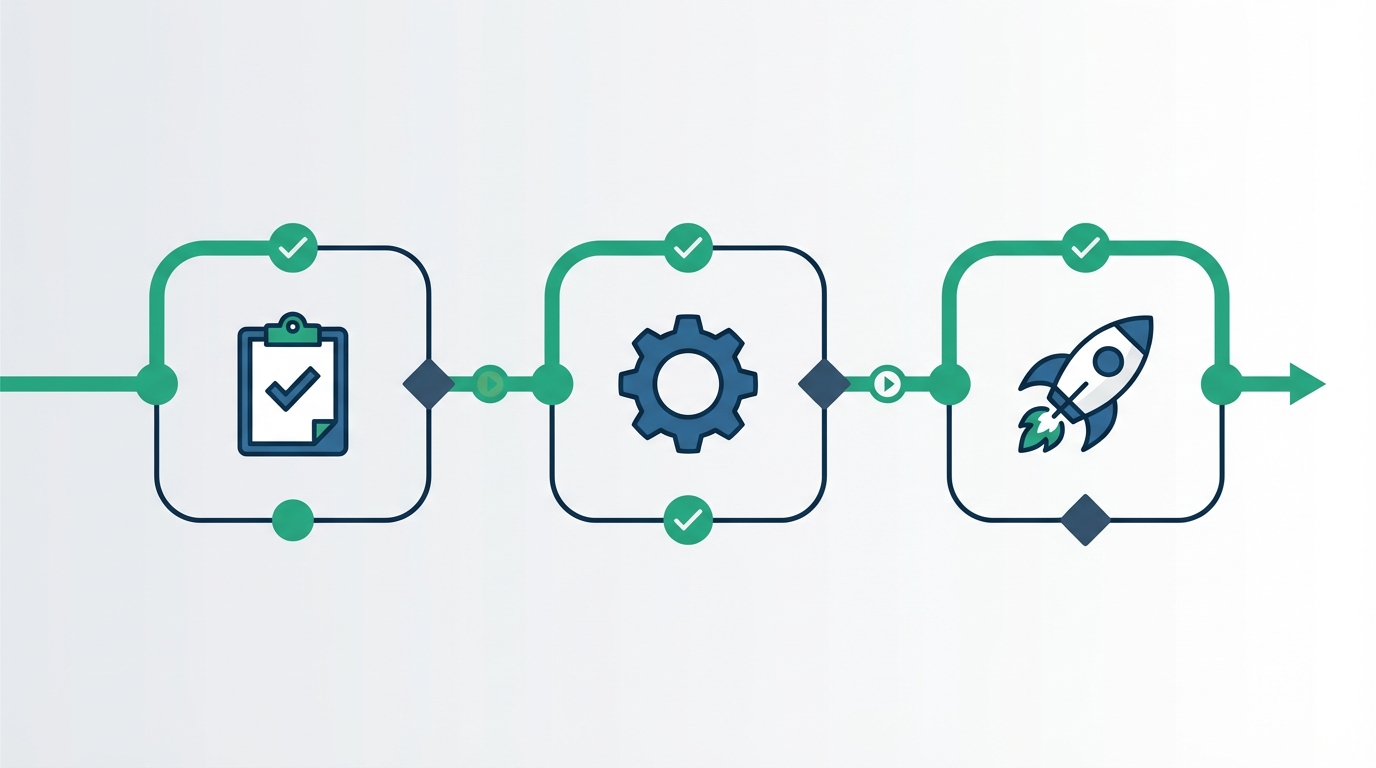
The solution isn't more email discipline or better subject lines (though "URGENT: APPROVAL NEEDED" has certainly been tried). The solution is recognizing that approvals are a workflow, not a conversation, and treating them accordingly.
Modern approval systems separate the request from the noise. Approvers get clear, actionable notifications—often directly in their email—but the approval itself happens in a dedicated system that tracks status, maintains audit trails, and ensures nothing falls through the cracks. For teams managing complex approval chains, having access to dedicated approval features transforms a chaotic process into a predictable one.
The best part? Most teams don't need enterprise software or IT involvement to make the switch. Tools designed for small-to-midsize operations can be configured and running in under 15 minutes, with approvers who never need to log into anything—they can respond directly from email while the system handles the tracking and documentation.
The 15-Minute Fix for Approval Chaos
If you're tired of chasing approvals, missing deadlines, and hoping that forwarded email chain constitutes an audit trail, there's good news: you don't have to live this way. The technology to solve email approval problems exists, it's affordable, and it doesn't require a three-month implementation project.
Start by identifying your most painful approval workflow—the one that causes the most delays or the most follow-up emails. That's your pilot. Get that working smoothly, prove the value, and expand from there. Within weeks, you could join the 48% of companies that actually hit their deadlines consistently.
Your inbox will thank you. Your clients will thank you. And when the auditors come knocking, you'll have real answers instead of email archaeology.