Purchase Order Approval Process: Why Manual Tracking Costs $506 Per PO
Purchase Order Approval Process: Why Manual Tracking Costs $506 Per PO
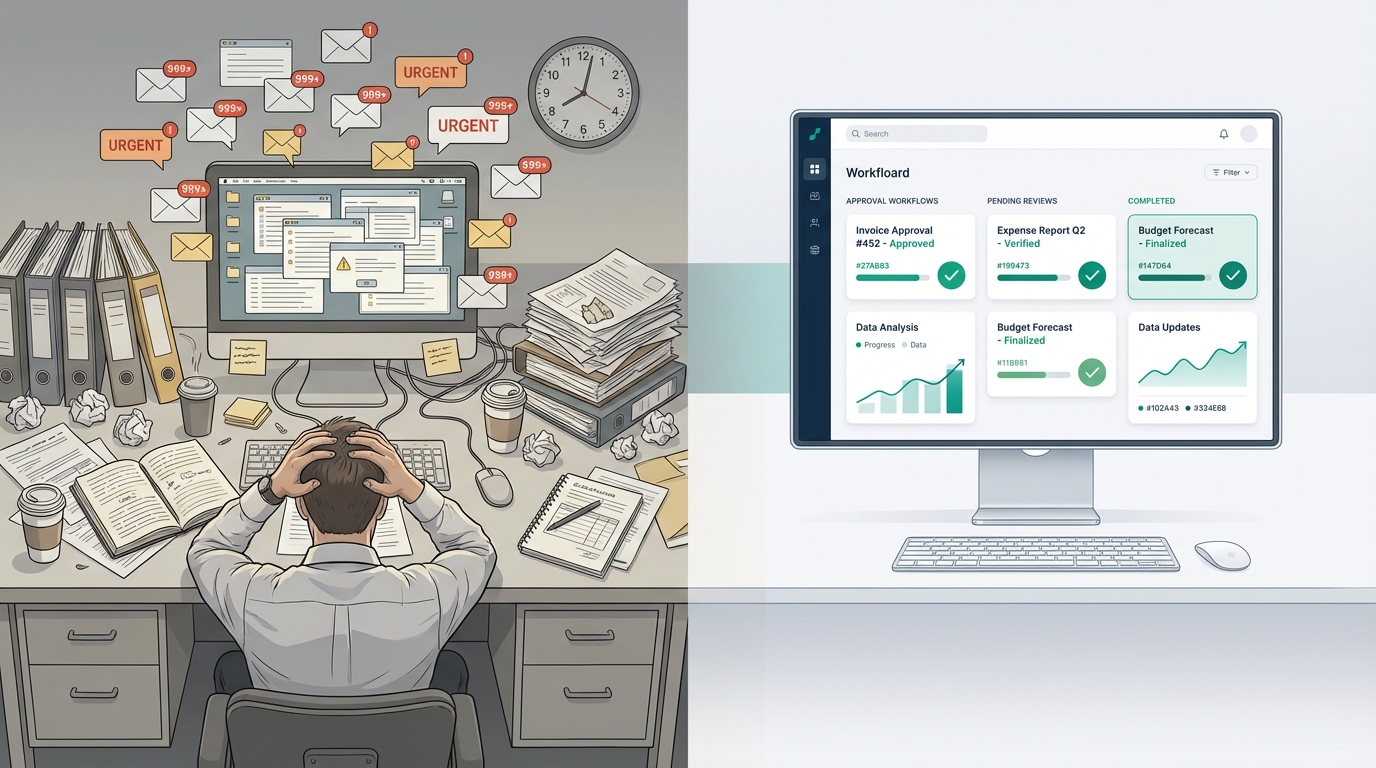
If you're tracking purchase order approvals through email threads and spreadsheets, you're not alone. Most small and mid-sized businesses still rely on these manual methods—and most have no idea what it's actually costing them.
The Real Cost of Manual PO Approvals
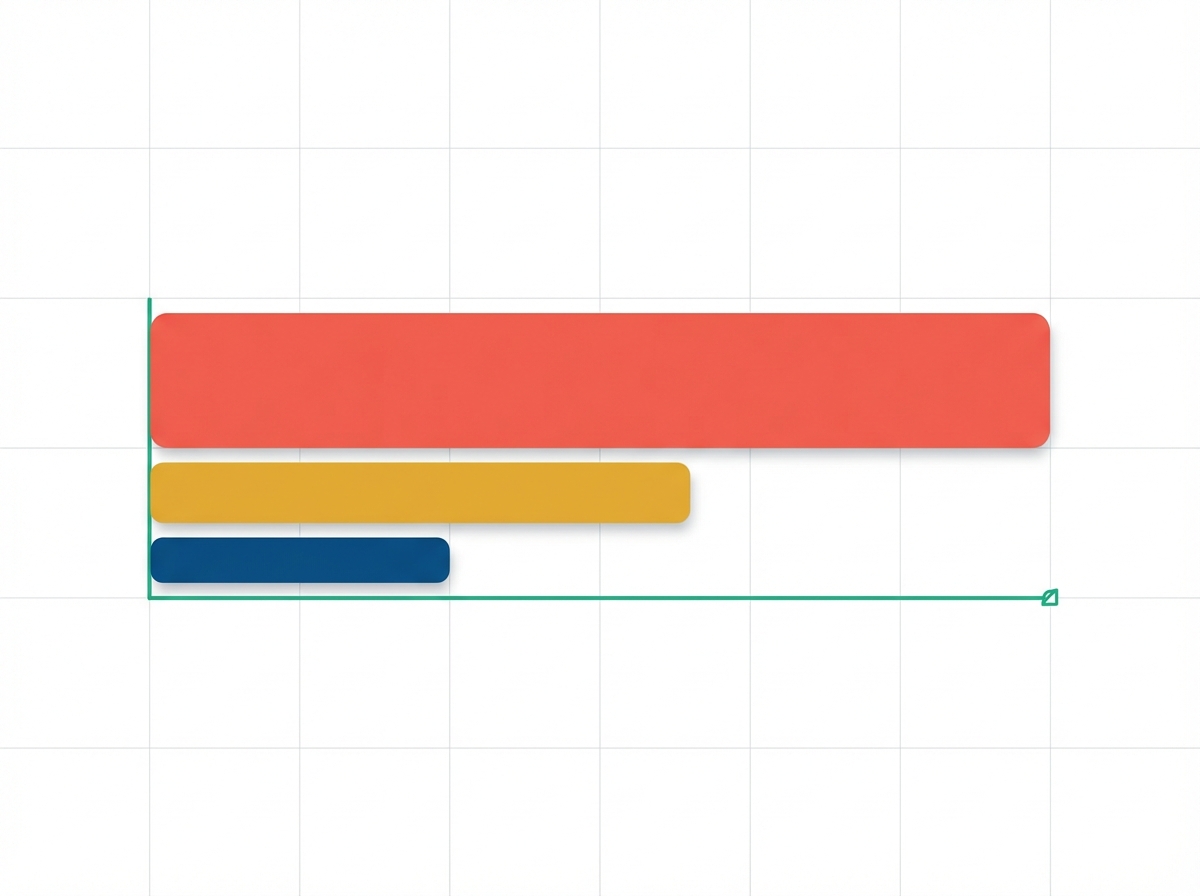
The number in the headline isn't clickbait. According to APQC benchmarking data, the cost per purchase order can range from $35.88 to $506.52—with manual, inefficient processes landing at the high end. That $506 figure includes labor, rework, delays, and the hidden cost of errors that slip through.
CAPS Research confirms this range varies dramatically by industry, from $59 in streamlined manufacturing environments to over $741 in sectors with complex approval chains. The difference? Process efficiency.
Where the Money Actually Goes
Manual PO approval processes bleed money in ways that don't show up on any line item:
- Labor costs: Staff time spent chasing approvals, re-sending emails, and manually updating spreadsheets
- Delay costs: Late orders mean rush shipping fees, missed early-payment discounts, and production delays
- Error costs: Duplicate orders, wrong quantities, and unauthorized purchases that slip through
- Compliance costs: When auditors ask "who approved this?" and you're digging through email threads
The Email Approval Trap
Email feels free because you're already paying for it. But consider what happens when a PO request lands in someone's inbox during a busy week. It gets buried. No one knows it's stuck until the vendor calls asking why payment is late.
A study on manual approval costs found that each approval request processed manually costs approximately £12.21 in labor alone—before counting the downstream impact of delays.
What a Modern PO Approval Workflow Looks Like
An effective purchase order approval process doesn't require enterprise software or an IT team to implement. The key elements are simple:
- Clear approval thresholds: Orders under $500 auto-approve; $500-$5,000 need manager sign-off; above $5,000 requires finance review
- Automatic routing: Requests go to the right approver based on amount, department, or vendor category
- Visibility: Everyone can see where a request is stuck without sending "just checking in" emails
- Audit trail: Every approval is timestamped and documented automatically
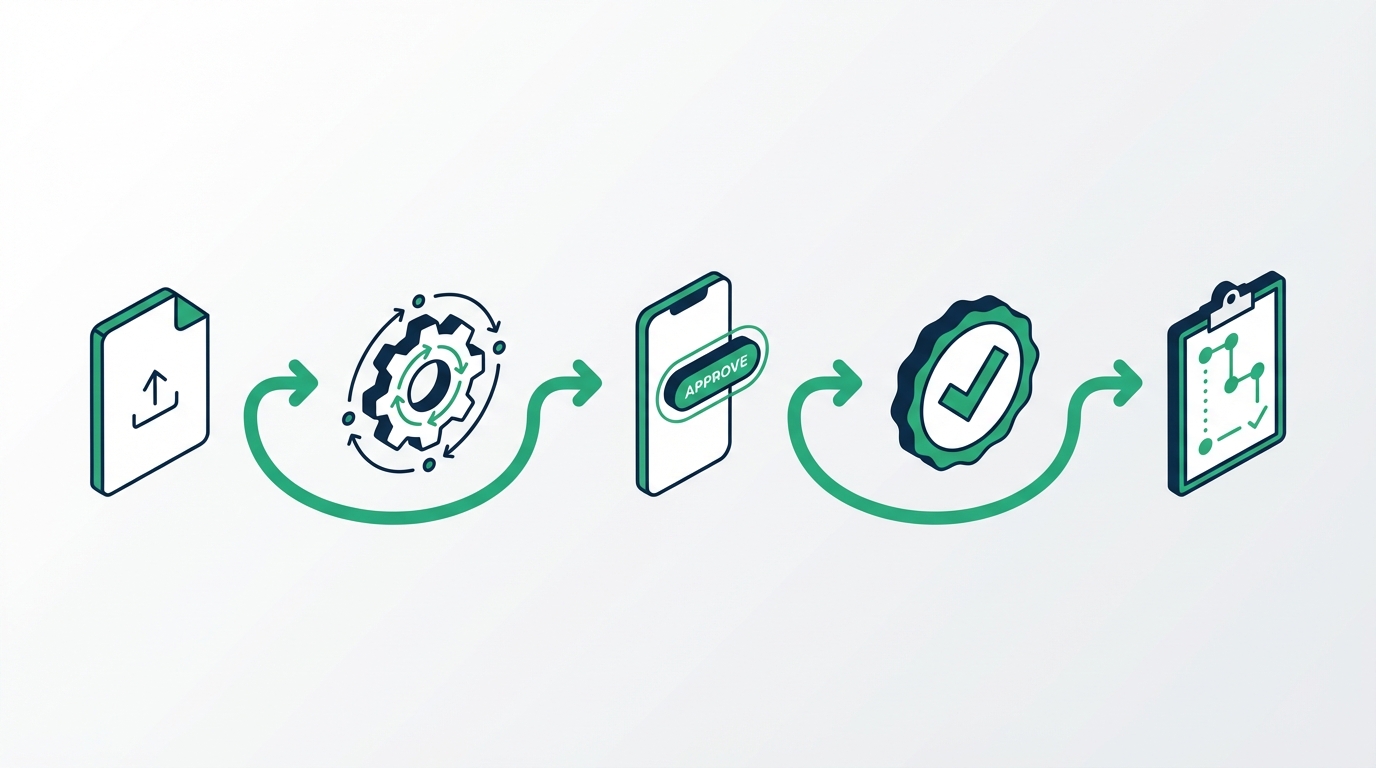
For organizations needing approvals from multiple stakeholders, multi-step approval workflows ensure requests route through the right chain of command without manual forwarding.
Calculating Your True PO Cost
Want to know where you fall on that $36-$506 spectrum? Here's a quick calculation:
- Estimate hours spent on PO-related tasks per week (creating, approving, tracking, fixing errors)
- Multiply by your average fully-loaded hourly labor cost
- Divide by the number of POs processed
Most finance leaders who run this calculation are surprised—and not pleasantly.
How to Fix This Without a Major IT Project
You don't need to rip and replace your entire procurement system. Modern approval workflow tools integrate with your existing processes and can be set up in an afternoon. The key is finding a solution that:
- Works via email so approvers don't need to log into another system
- Provides automatic reminders so requests don't get stuck
- Creates audit trails without manual documentation
- Scales with your approval complexity as you grow
ApproveThis was built specifically for this problem—giving finance teams the controls they need without the enterprise software overhead. Most teams see ROI within the first month just from reduced follow-up time.
The Bottom Line
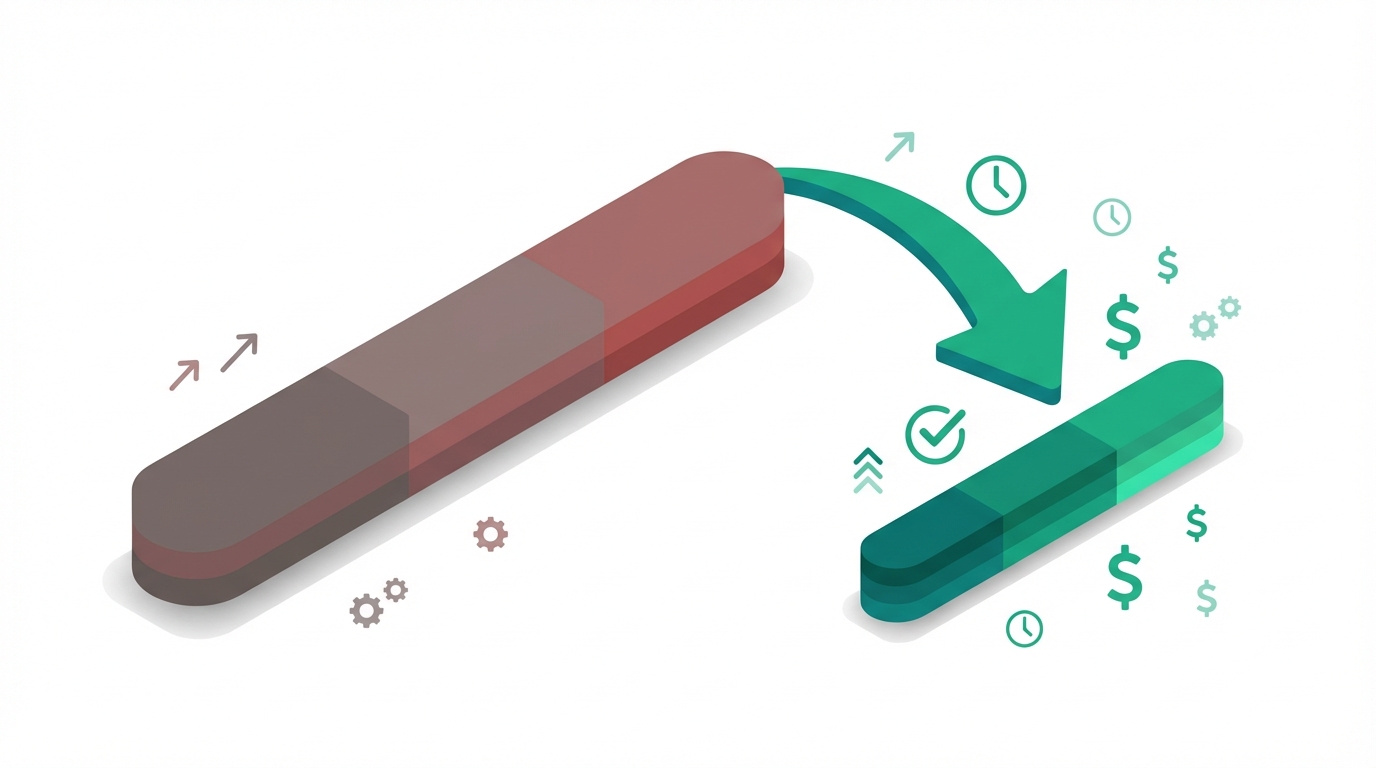
Manual PO approval processes are an invisible tax on your finance team's productivity. That $506 per PO figure represents real money leaving your organization—money that compounds across hundreds or thousands of purchase orders each year.
The fix isn't complicated. It just requires recognizing that "the way we've always done it" has a cost, and that cost is probably higher than you think.